


- Blog Post
Thermocouple Selection Guide for Reliable Pharmaceutical Validation – How to Choose the Right Sensor?
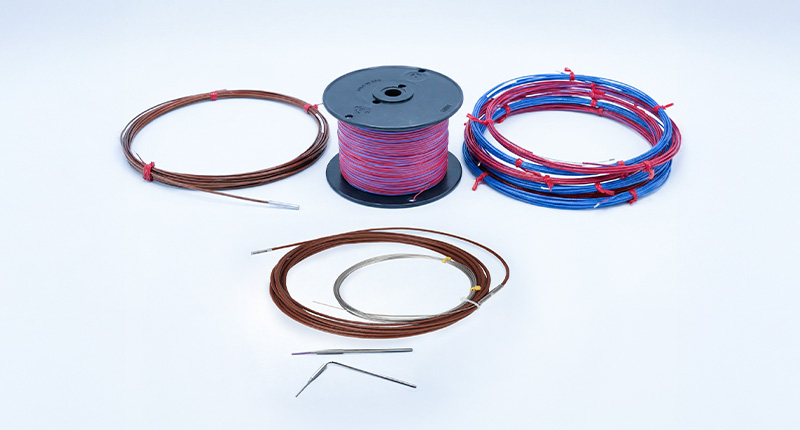
In regulated environments, temperature data is not simply a metric. It is evidence. For pharmaceutical, biotech, and medical device manufacturers, thermocouples sit at the centre of validation integrity, directly influencing data accuracy, audit confidence, and regulatory outcomes.
Despite their importance, thermocouples are often selected late in the validation planning process or treated as interchangeable components. In practice, material quality, construction method, insulation, and environmental suitability all determine whether a sensor performs consistently across repeated cycles.
This technical guide outlines a structured approach to thermocouple selection, with a specific focus on pharmaceutical validation applications using Kaye validation systems.
Step 1: Define the Validation Environment
Effective thermocouple selection begins with a clear understanding of the operating conditions. Environmental variables directly influence wire construction, insulation choice, and long term signal stability.
Key questions to document before selection:
- What process is being validated?
- What temperature range is expected, including excursions?
- Are pressure differentials present?
- Will the sensor be exposed to condensation, liquid water, or repeated thermal cycling?
- Is the study short term mapping or long term qualification?
- In pharmaceutical environments, even minor mismatches between sensor design and process conditions can lead to moisture ingress, signal drift, or premature sensor failure.
Step 2: Selecting the Appropriate Thermocouple Type
Thermocouples generate a measurable voltage through the junction of two dissimilar metals. Several thermocouple types exist, including J, K, T, E, and others, but not all are equally suited for validation work in regulated industries.
Why Type T Is Commonly Used in Validation
Type T thermocouples are widely adopted in pharmaceutical and biotech validation due to their stability, repeatability, and performance at lower temperature ranges.
Technical overview:
- Metal composition: Copper and Constantan
- Operating range: -200°C to +370°C continuous or +400°C short term
- High accuracy and excellent long-term stability
- Resistant to drift during repeated sterilization cycles
Typical applications include autoclaves, cleanroom temperature studies, high-temperature applications refrigerators, freezers, and controlled temperature units.
Step 3: Thermocouple Configuration Choices
Once the thermocouple type is selected, configuration details become the determining factor in performance reliability.
Solid vs Stranded Wire Construction
Solid wire
- Rigid construction
- Better inherent moisture resistance
- Suitable for fixed or permanent installations
- Less tolerant to repeated repositioning or bending
Stranded wire
- Higher flexibility
- Easier routing in complex equipment geometries
- Reduced risk of conductor fatigue during repeated use
- Requires proper sealing to prevent moisture migration
For validation studies involving frequent sensor repositioning, stranded wire is typically preferred when combined with appropriate moisture barriers.
Wire Gauge Selection
Wire diameter influences both durability and physical accessibility.
22 AWG stranded
- Seven strands per conductor
- Balanced durability and flexibility
- Common in general validation applications
27 AWG stranded
- Three strands per conductor
- Designed for tight spaces and confined sensor placement
- Lower mechanical strength, requiring careful handling
Step 4: Metal Grade and Measurement Stability
Metal purity plays a critical role in thermocouple signal consistency.
Non premium grade
- Discontinuous metal structure
- Prone to micro breaks
- Higher measurement variability
- Not recommended for regulated environments
Premium grade
- Continuous metal extrusion
- Industry standard for pharmaceutical validation
- Improved repeatability and reduced drift
Ultra premium grade
- Highest metal purity
- Maximum signal stability
- Ideal for long duration studies and repeated qualification cycles
For GMP regulated processes, premium or ultra-premium wire grades are strongly recommended.
Step 5: Moisture and Pressure Protection Strategies
High humidity and pressurized environments, particularly steam sterilization processes, introduce unique risks.
In autoclaves, pressure differentials can actively force moisture back through thermocouple insulation toward the data acquisition system. Without mitigation, this can lead to corrosion, short circuits, and data loss.
Best practice protection methods include:
- Autobond wire construction using solid internal fill to block capillary action
- Staggered insulation stripping to create drip zones
- Terminal strips designed to divert liquid away from electronics
- Teflon shielding at the welded junction to protect against direct steam exposure and physical damage of the measurement tip.
These design features are critical when using thermocouples with Kaye Validator systems in steam based processes.
Step 6: Insulation and Coating Selection
Thermocouple insulation must align with both temperature exposure and chemical conditions.
Teflon insulated thermocouples
- Operating range up to approximately 200°C
- Excellent chemical resistance
- Flexible and widely used
- Suitable for moist environmental like steam sterilization, ultra-low temperatures and general validation
Kapton insulated thermocouples
- Higher thermal endurance
- Suitable for extended dry heat exposure
- Up to 350°C for short duration cycles
- Up to 260°C for long duration processes
Kapton insulation is commonly selected for dry heat ovens, depyrogenation, and high temperature qualification studies.
Stainless Steel Mineral Insulated thermocouples
For extended temperature ranges and increased mechanical robustness, stainless steel mineral insulated designs provide additional durability.
- Class A performance
- Temperature range: -200°C to 400°C
- 1 mm stainless steel sheath diameter
- Teflon connection cable rated to approximately 100°C
- Only the stainless steel sensing section may be placed inside an autoclave chamber
Typical applications include freeze dryers, liquid nitrogen tanks, incubators, and demanding sterilization processes.
Practical Thermocouple Selection Checklist
Before finalizing a thermocouple configuration, confirm the following:
- Validation environment and exposure conditions are fully defined
- Temperature range includes worst case excursions
- Flexibility and mechanical durability requirements are understood
- Moisture mitigation measures are incorporated where necessary
- Wire grade meets regulatory and data integrity expectations
Final Considerations for Validation Professionals
Thermocouples are not consumables to be selected on price alone. In regulated environments, sensor design directly influences data integrity, audit readiness, and long-term validation confidence.
Kaye validation systems are designed to perform optimally when paired with thermocouples engineered specifically for pharmaceutical and biotech applications. Selecting the correct sensor configuration reduces failure risk, improves repeatability, and simplifies validation execution.
For additional guidance, explore related technical resources within the Kaye knowledge base, including:
- Temperature mapping best practices
- Autoclave validation fundamentals
- Cleanroom environmental monitoring strategies
For application specific recommendations, Kaye technical specialists can assist in aligning thermocouple construction with your exact validation requirements.
Frequently Asked Questions (FAQ)
- What is the best thermocouple type for pharmaceutical validation?
For most pharmaceutical and biotech validation applications, Type T thermocouples are preferred due to their stability, repeatability, and accuracy across common validation temperature ranges. Other types such as J or K may be suitable for specific industrial applications, but they are less commonly selected for GMP regulated validation studies.
- Why is thermocouple wire grade important in regulated environments?
Wire grade directly affects signal stability and measurement repeatability. Premium and ultra-premium grades provide continuous metal structure, reducing drift and variability. In regulated environments, this consistency supports data integrity and audit confidence.
- Can the same thermocouple be reused across multiple validation studies?
Reuse depends on exposure conditions and mechanical stress. Thermocouples subjected to high moisture, pressure, or repeated thermal cycling may degrade over time. Regular inspection and performance verification are essential before reuse in GMP validation.
- How does moisture affect thermocouple performance in autoclaves?
In pressurized steam environments, moisture can migrate through insulation toward connection points, leading to corrosion or signal failure. Proper construction techniques such as Autobond wire, drip zones, and protective shielding are critical to prevent moisture related issues.
- Does thermocouple insulation impact validation accuracy?
Yes. Insulation influences thermal response, durability, and environmental resistance. Selecting insulation that matches temperature range, exposure duration, and chemical conditions helps maintain measurement accuracy throughout the validation cycle.
- When should a thermocouple be replaced?
Thermocouples should be replaced when physical damage, insulation degradation, or unexplained measurement drift is observed. In critical validation applications, proactive replacement is often preferred over extended reuse.
Copyright: Amphenol Corporation