


- Blog Post
The Heartbeat of Data Loggers: A Practical Guide to Why Battery Choice Matters in Validation Systems
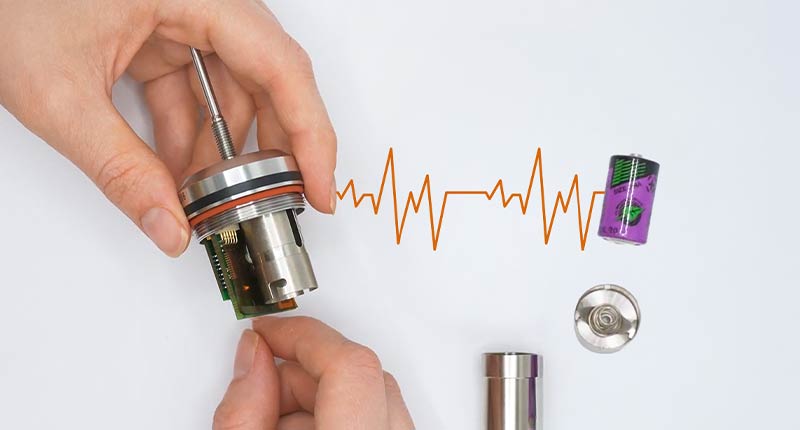
Data loggers are widely used measurement systems for validating thermal processes in pharmaceutical and biotechnology environments. Whether operating in standalone mode or transmitting real time data, these devices depend on one small but essential component: the battery. Small and unassuming, it functions as the heartbeat of the entire system. Without it there is no power, which means no data collection, no storage, and no transmission.
Despite its importance, battery selection and management are often overlooked during daily validation work. A failed battery can interrupt critical validation runs and lead to lost datasets that require costly repetition. Understanding how batteries behave in demanding validation environments helps teams protect data integrity and maintain reliable monitoring operations.
Why Reliable Data Logger Batteries Are Critical for Validation and Environmental Monitoring
In pharmaceutical manufacturing, data loggers are frequently used to validate sterilization cycles, monitor environmental conditions, and confirm thermal distribution within equipment such as autoclaves, depyrogenation tunnels, and stability chambers. These validation activities depend on continuous and reliable data capture.
If a logger stops recording because of battery failure, the result may be incomplete validation documentation. In regulated environments this can delay batch release, require repeated qualification studies, and increase operational costs. Because validation runs can last several hours or even days, battery stability becomes a critical factor in maintaining uninterrupted data recording.
For validation teams, reliable battery performance is therefore not only a technical consideration but also a compliance safeguard that supports consistent process verification.
Battery Reliability and Regulatory Expectations
Regulated industries place strong emphasis on data integrity and reliable monitoring systems. During qualification and validation studies, equipment used to record process data must perform consistently throughout the entire monitoring cycle.
Authorities such as the U.S. Food and Drug Administration and European regulatory agencies expect manufacturers to maintain complete and accurate datasets for validated processes. Any interruption in monitoring may raise questions during audits or inspections.
Reliable battery performance supports these expectations by ensuring that loggers continue recording without interruption during critical process verification activities. Proper battery management also reduces the risk of repeated qualification runs caused by unexpected power loss.
Key Considerations When Selecting and Managing Batteries
Follow the manufacturer’s recommendations
Always use the battery types recommended by the data logger manufacturer. This ensures compatibility and preserves warranty and performance expectations.
Temperature range
Room temperature operation is suitable for most batteries. For extreme low or high temperature applications, consult the battery manufacturer’s datasheets. Lithium based cells, commonly used in data loggers, have defined temperature limits and may require protective measures in demanding environments.
Battery replacement and ease of use
To ensure smooth daily operations, battery replacement should be quick and simple for on-site users. Ideally the process should not require special tools and certainly should not require soldering or desoldering of replacement cells.
Cost and sustainability
Lithium batteries are generally more expensive and require proper disposal after use. Intelligent battery management, such as a battery indicator integrated with logger software, can reduce overall consumption. Disabling energy intensive real time transmission when it is not required can also extend operational life.
Intelligent battery monitoring
Nothing is more frustrating than repeating a validation run because a battery failed during the cycle and the logger recorded no usable data. Some systems provide integrated battery monitoring where the state of charge is displayed directly within the software environment. For example, Kaye ValProbe RT data loggers measure and display the battery state of charge within the software interface, enabling timely replacement and helping reduce the risk of repeated qualification runs.
Proper procedure for battery replacement
In practice users often replace batteries themselves without considering the operational stress experienced by the logger. Devices used in validation may undergo extreme temperature cycles and pressure changes. These conditions affect not only the battery and electronics but also the housing seals.
Professional replacement procedures should include replacing seals that have been exposed to thermal or mechanical stress. Even minor leakage can become visible during steam sterilization cycles where moisture exposure is incompatible with the electronic components inside the logger housing.
After replacement update the software
After replacing the battery, make sure the logger software is informed about the change. This allows the battery indicator and lifecycle tracking features to operate accurately.
Battery Life in Real Operating Conditions
Battery datasheets may state lifetimes of one year, two years, or even longer. These values are typically measured under ideal storage conditions with minimal use.
In real validation environments several factors influence battery consumption:
- Operating temperature
- Frequency of temperature cycles
- Logging rate and sampling frequency
- Data transmission intervals in real time systems
Understanding these factors helps validation teams estimate realistic battery life. It is advisable to consult the logger manufacturer for expected performance under specific operating conditions.
Integration with Validation Systems
Modern validation platforms such as the Kaye ValProbe RT often integrate battery monitoring features directly into the system software. When battery levels are tracked alongside measurement data, users gain early visibility of potential power issues.
For example, systems designed for real time validation monitoring may display battery status within the software interface. This allows operators to schedule replacements before critical validation runs and maintain uninterrupted data collection.
Integrating battery management with validation workflows strengthens overall monitoring reliability and supports efficient process qualification.
Best Practices Checklist for Data Logger Batteries
- Use only manufacturer approved batteries
- Verify battery status before starting validation runs
- Replace housing seals when batteries are changed
- Disable unnecessary real time transmission to conserve power
- Track battery lifecycle within the monitoring software
Following these practices helps reduce the risk of interrupted monitoring and protects the integrity of validation data.
Conclusion
The battery of a data logger is small and relatively inexpensive compared with the logger itself, yet it supplies the device’s operational heartbeat. Careful battery selection, monitoring, and replacement procedures help ensure reliable performance in demanding validation environments.
By treating battery management as part of the overall validation strategy, organizations can reduce the risk of data loss, avoid repeated qualification runs, and maintain dependable monitoring outcomes.
Frequently Asked Questions
- How often should I replace the battery before critical validation runs?
Replace the battery when the software battery indicator shows low capacity or when the cell approaches the manufacturer recommended end of service threshold. For mission critical validation studies, proactive replacement within the expected operating life is advisable.
- Can I replace the battery on site?
Yes, if the logger is designed for tool free replacement and the manufacturer procedure is followed. This may include replacing housing seals and updating the software after the battery change. If the logger requires soldering or specialized sealing, authorized service should perform the replacement.
- Does disabling real time transmission extend battery life?
Yes. Wireless or real time data transmission consumes more power than local data logging. Reducing transmission frequency or disabling it when continuous monitoring is not required can significantly extend battery life.
- What factors reduce battery life in validation environments?
High- and low temperatures, frequent sterilization cycles, high sampling rates, and continuous wireless data transmission can all increase power consumption and shorten battery lifespan.
- What battery types are typically used in validation data loggers?
Most validation loggers use lithium based batteries because they provide stable voltage, long shelf life, and reliable performance in demanding industrial environments.
@ Amphenol Corporation