


- Blog Post
AFNOR FDX15-140: Por que o mapeamento e a validação corretos das câmaras de ensaio são agora um requisito de qualidade e conformidade
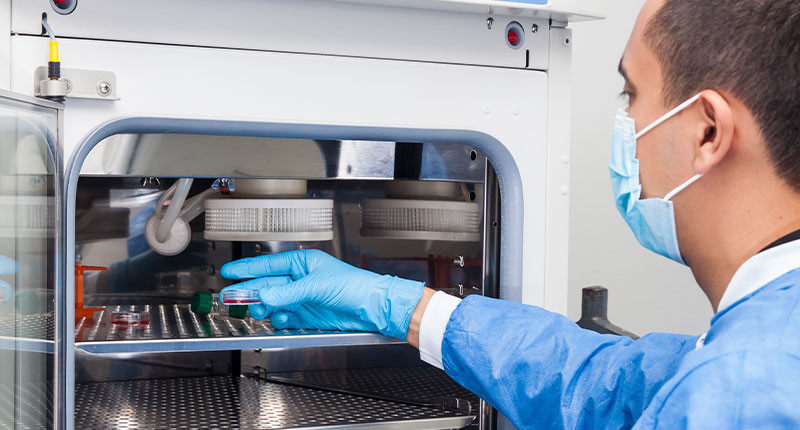
AFNOR FDX15‑A norma 140 é um guia de referência para a caracterização, verificação e vigilância contínua de câmaras termostáticas e climáticas (temperatura ± umidade), tais como câmaras, fornos, incubadoras e salas frigoríficas/de aquecimento à pressão atmosférica. A versão atual foi publicada em agosto de 2024 e já está em vigor; a versão anterior foi publicada em maio de 2013 e foi retirada de circulação. A revisão de 2024 não é meramente editorial — ela traz mudanças técnicas, metrológicas e operacionais mensuráveis e alinha a orientação mais estreitamente com a ISO/IEC 17025 e as orientações da IEC.
O que o FDX15-140 abrange — pontos principais
- Âmbito:câmaras termostáticas e climáticas (temperatura ± umidade) à pressão atmosférica.
- Grandezas medidas: distribuição espacial da temperatura (homogeneidade), estabilidade temporal, respostas dinâmicas (por exemplo, abertura de portas) e considerações sobre incertezas.
- Métodos de ensaio:“mapeamento” planejado com pontos de medição definidos, testes com a câmara vazia e carregada, e documentação/relatórios estruturados.
- Objetivo:garantir que as medições de temperatura e umidade sejam reproduzíveis, rastreáveis e passíveis de auditoria‑preparados para que os testes climáticos e de envelhecimento sejam significativos e defensáveis.
Reprodutibilidade, rastreabilidade, redução de custos: os benefícios em termos de conformidade
- Resultados reproduzíveis:A homogeneidade e a estabilidade são pré-requisitos para a realização de testes climáticos e de envelhecimento significativos.
- Conformidade e auditorias:Protocolos de mapeamento rastreáveis reduzem os riscos relacionados a fornecedores e testes — um aspecto fundamental na fabricação de produtos automotivos, de tecnologia médica, farmacêuticos, aeroespaciais e eletrônicos. A adoção da norma ajuda a alinhar a qualificação da câmara às expectativas dos clientes e às exigências regulatórias.
- Eficiência e redução de custos:O mapeamento regular evita testes com falhas, retrabalho e possíveis recalls de produtos.
Implementação prática e operacional (passo a passo)
- Definir o escopo e os objetivos
- Quais faixas de temperatura/umidade?
- Padrão típico de carga?
- Pontos críticos de medição?
- Criar o conceito de medição
- Escolha sensores e registradores de dados calibrados
- Defina uma grade de medição (cantos, centro, posições representativas do DUT), a taxa de amostragem e a duração da medição.
- Execute mapeamentos tanto em condições de carga nula quanto sob carga representativa; identifique pontos de alta e baixa atividade e métricas de estabilidade.
- Realizar análises de incerteza e definir tolerâncias
- Documentar as incertezas de medição e definir os limites de aceitação.
- Monitoramento e ações corretivas
- Utilizar modelos de relatório, realizar análises de desvios e definir medidas corretivas(ajuste do fluxo de ar, alterações na recirculação, reposicionamento).
Ferramentas e recomendações
- Vários‑registradores de dados de canal com certificados de calibração, software de validação compatível com módulos de mapeamento e FDX15‑140 modelos de relatório e redes de sensores que oferecem cobertura espacial e redundância.
Dica: verifique se o seu software de validação oferece o formato FDX15‑140‑modelos em conformidade — isso agiliza as auditorias e a geração de relatórios.
Principais diferenças: versão antiga (maio de 2013) vs. nova (agosto de 2024)
- Aumento do número mínimo de sensores de medição
Antigo (2013): por exemplo, muitos laboratórios utilizavam 9 sensores para volumes de até ~2 m³.
Novo (2024): o número mínimo de sensores foi aumentado — por exemplo, são necessários 15 sensores a partir de cerca de 1 m³.
Impacto: melhor representação espacial e menor probabilidade de deixar de detectar pontos quentes/frios — mas custos mais elevados com equipamentos e instalação, além de tempos de instalação mais longos.
- Tratamento explícito dos efeitos da radiação nas paredes
Anteriormente: a radiação da parede era amplamente considerada insignificante ou implícita.
Novo: a radiação da parede é um componente explícito da incerteza. A norma oferece métodos experimentais (sondas de alta versus baixa emissividade), estimativas analíticas e valores padrão conservadores (por exemplo, ~0,3 °C em alguns intervalos).
Impacto: os orçamentos de incerteza tenderão a aumentar, mas se tornarão mais realistas e passíveis de auditoria‑robusto.
- Maior alinhamento com as normas formais relativas à incerteza
Antigamente: abordagens mais simples ou qualitativas em relação à incerteza eram frequentemente toleradas.
Novo: alinhamento com a norma IEC 60068‑3‑11 e orientações semelhantes — os laboratórios devem elaborar balanços de incerteza estruturados, identificar os fatores que mais contribuem para a incerteza e justificar os pressupostos.
Impacto: mais trabalho para documentar e quantificar as incertezas, mas uma melhor justificativa metrológica.
- Vigilância formalizada entre mapeamentos completos
Anterior: o acompanhamento entre as caracterizações completas era descrito de forma superficial.
Novo: abordagens de vigilância definidas (gráficos de controle, monitoramento de desvio, regras de decisão estatística).
Impacto: melhoria a longo prazo‑monitoramento contínuo do desempenho e detecção precoce de desvios ou degradação.
- Relatórios mais estruturados e rastreáveis
Antigo: os relatórios podiam ser básicos, com rastreabilidade menos detalhada.
Novo: os relatórios devem incluir as posições exatas dos sensores, as condições de teste, os critérios de aceitação e a rastreabilidade dos dados brutos.
Impacto: auditorias ISO/IEC 17025 mais simples e evidências mais claras para os clientes; requer atualizações nos procedimentos operacionais padrão (SOPs) e na gestão de dados.
Comparação rápida (impactos práticos)
- Número de sensores: maior→ mais registradores, mais calibração, configuração mais demorada.
- Incerteza:mais abrangente → maior incerteza relatada, mas justificativa mais sólida.
- Monitoramento:métodos formais → melhor detecção de desvios e menos surpresas.
- Relatórios:mais detalhado → auditorias mais rápidas e tranquilas, mas com maior esforço de documentação.
- Conformidade:A versão de 2024 reduz o risco de não‑conformidades durante as auditorias da ISO/IEC 17025.
Conclusão: Mudança do FDX15 de 2013 para o de agosto de 2024‑140:
Aumenta a posição vendida‑exige um esforço considerável (equipamentos, tempo de medição, análise de incertezas e elaboração de relatórios), mas traz benefícios significativos a longo prazo‑benefícios a longo prazo: maior credibilidade técnica, melhor preparação para auditorias e menor risco de contestação dos resultados dos testes.
Tabela comparativa – alterações e impacto
|
Tópico |
FD X 15‑140 (2013 – Antigo) |
FD X 15‑140 (2024 – Novo) |
Impacto prático |
|
Status da publicação |
Válido até 2024 |
Em vigor desde agosto de 2024 |
A versão antiga não é mais aceita nas auditorias |
|
Sensores mínimos (1–2 m³) |
9 sensores |
15 sensores |
Mais madeireiros, montagem mais demorada, custo mais elevado |
|
Lógica de posicionamento dos sensores |
Genérico, menos restrito |
Enfoque orientado para o risco, com ênfase na cobertura espacial |
Melhor detecção de valores extremos |
|
Efeitos da radiação das paredes |
Não abordado explicitamente |
Componente de incerteza obrigatória |
Quanto maior a incerteza relatada, maior o realismo |
|
Cálculo da incerteza |
Abordagens simplificadas são aceitáveis |
Em conformidade com a norma IEC 60068-3-11 |
Justificativa metrológica mais sólida |
|
Definição de estabilidade do regime |
Menos formalizado |
Métodos estatísticos explicados |
Menos divergências de interpretação |
|
Monitoramento entre mapeamentos |
Opcional / informal |
Métodos estruturados definidos |
Melhor detecção de desvio ao longo do tempo |
|
Requisitos de prestação de contas |
Básico |
Detalhado e rastreável |
Auditorias mais rápidas e eficientes |
|
Conformidade com a norma ISO/IEC 17025 |
Aceitável, mas limitado |
Altamente compatível |
Menor risco de não conformidades |
O que a Kaye oferece?
Uma ferramenta de avaliação padrão adicional, baseada na norma AFNOR FDX15-140, simplifica a validação de câmaras climáticas, sistemas de refrigeração e incubadoras. Assim, fica mais fácil gerar e documentar relatórios em conformidade com a norma, de acordo com os requisitos da AFNOR FDX15-140.
Precisa de ajuda para criar um conceito de medição, selecionar registradores adequados ou desenvolver um processo de mapeamento? Entre em contato diretamente com a Kaye ou procure um de nossos parceiros certificados para obter mais suporte.
Perguntas frequentes
P1: O que é a norma AFNOR FDX15-140 em uma frase?
R1: Uma publicação técnica da AFNOR com recomendações para caracterizar, medir e verificar as condições de temperatura e umidade no interior de câmaras de ensaio.
P2:Com que frequência o mapeamento deve ser realizado?
R2: No mínimo, após a instalação, após grandes manutenções, após modificações na câmara e periodicamente, de acordo com sua avaliação de riscos e os requisitos do setor (por exemplo, anualmente ou semestralmente); a frequência exata depende da avaliação interna de riscos e das obrigações regulatórias.
Pergunta 3:Qual é o equipamento mínimo necessário?
R3: Registradores de dados com sensores de temperatura e umidade, de preferência multicanais (por exemplo, o registrador Kaye VP RT de 5 canais com sondas flexíveis combinado com o registrador VP RT de umidade), com resolução suficiente, transferência de dados em tempo real e software de validação para relatórios de mapeamento FDX15-140, além de um protocolo de medição documentado.