

简体中文(中国)

Validation

Validation is the documented process of verifying that a system, process, equipment, or product reliably meets the specific requirements and quality standards. This process ensures that all critical parameters are controlled and consistently produce reproducible results to guarantee both the safety and effectiveness of the final product. Thus, validation is the documented evidence that all procedures, processes, facilities, systems, materials, and equipment comply with GxP requirements and deliver the expected results.
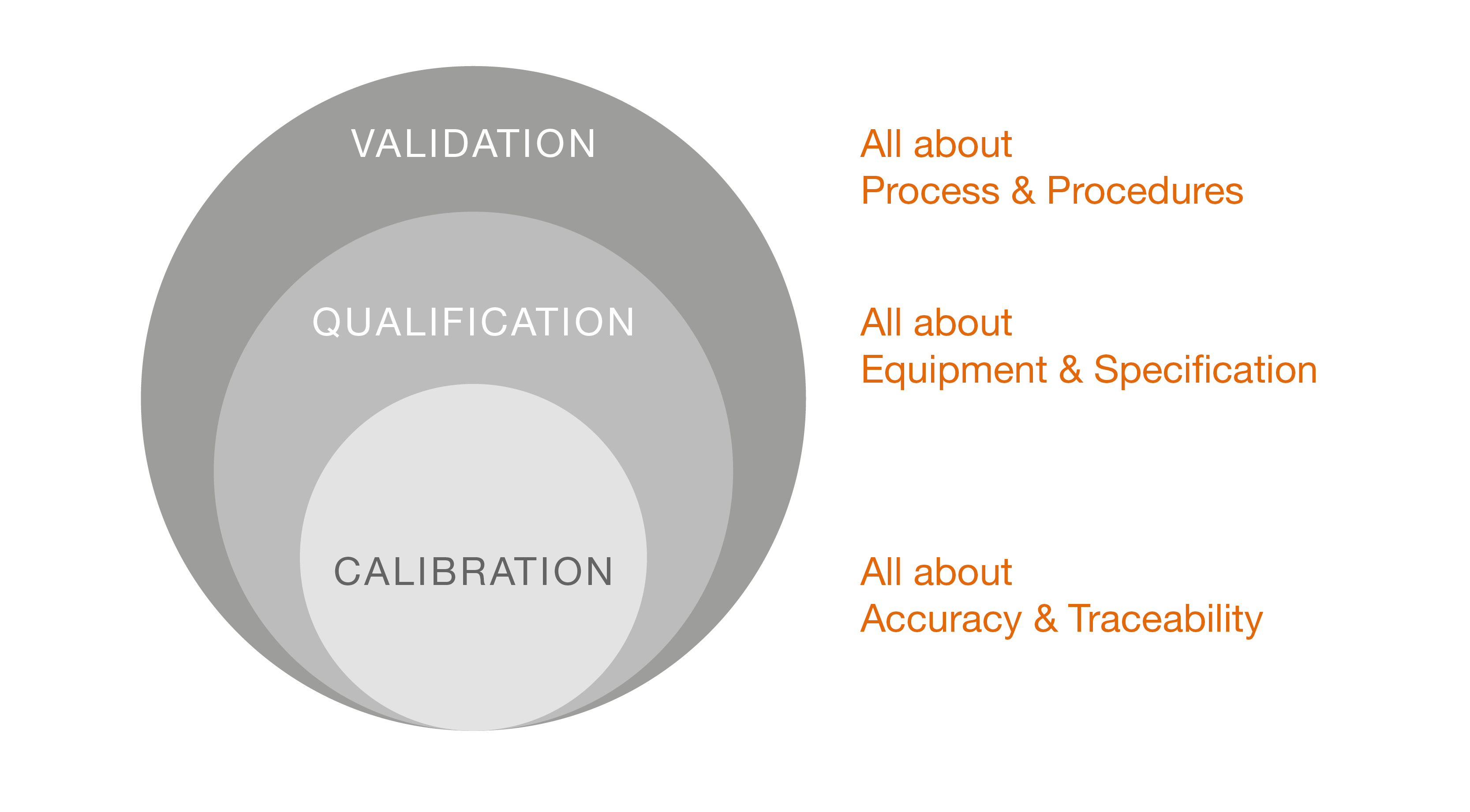
Validation EN

Validation Matrix

Especially in complex validations, the validation matrix facilitates oversight. It is a structured document or tool that represents the relationship between various validation requirements and the elements to be validated, such as systems, processes, or equipment. This matrix helps ensure that all aspects of a project comply with regulatory and internal company standards.

Typically, a validation matrix includes information on:

  • Validation Requirements: Specific criteria that need to be met based on regulatory guidelines and company standards.
  • Elements to be Validated: Listing of the systems, processes, or components that need to be validated.
  • Tests and Criteria: Methods and procedures applied to confirm the fulfillment of the requirements.
  • Documentation: References to the documents that contain the results and evidence of the validation.
  • Responsibilities: Assignment of tasks to specific individuals or teams for conducting validation activities.

Validation Plan

Validation planning is an essential process in quality assurance, where it is verified that a system or product meets the established requirements. To achieve this, specific tests and inspections are planned and documented. In addition to planning, a risk analysis is often necessary to identify potential weaknesses and develop targeted validation measures to mitigate risks.

In many industries, particularly in pharmaceuticals, medical, and food industries, compliance with regulatory requirements drives validation planning. It is crucial that all tests and inspections comply with these regulations to ensure compliance. Thorough documentation of the validation process is vital to demonstrate adherence to quality requirements, especially during audits or inspections.

Validation Protocol

A validation protocol is a detailed, written summary that describes specific tests and procedures to verify whether a product meets the requirements for its intended purpose. It includes instructions for conducting the validation, acceptance criteria, and the necessary documentation of the results. The protocol is more focused than the validation plan and concentrates on the practical implementation of validation for specific processes or products.

Validation Report

After the validation activities are completed, the validation report documents the results and evaluates whether the validation requirements have been met. The report includes the analysis and interpretation of the data, indicates whether the acceptance criteria were achieved, and provides recommendations for future actions.

VMP – Validation Master Plan

The Validation Master Plan (VMP) is a strategic document that guides all validation activities of a manufacturing facility to ensure consistent product quality and compliance with quality standards. As an essential element of a company's quality commitment, the VMP ensures that products and processes are systematically validated. It supports consistency and control in production, minimizes risks, and ensures regulatory compliance through detailed documentation and alignment with current regulations. Additionally, the VMP optimizes resource utilization and provides clear instructions for error minimization. It must comply with applicable regulatory requirements, such as those from the FDA and the EU. In general, the VMP establishes a company's validation strategy and defines and documents the intentions, responsibilities, approaches, and key aspects of a validation program.

ico pointerKAYE HEADQUARTERS

Amphenol Advanced Sensors Germany GmbH 
Sinsheimer Strasse 6
D-75179 Pforzheim

T +49 (0) 7231-14 335 0
F +49 (0) 7231-14335 29
kaye-ccpf@amphenol-sensors.com  
www.kayeinstruments.com 

KAYE Americas 

Amphenol Thermometrics, Inc.
967 Windfall Road
St. Marys, PA 15857
Tel: +1(814) 834-9140
Fax: +(814) 781-7969
kaye-us@amphenol-sensors.com 


Company Details  |  Disclaimer/ Terms of Use  |  Privacy Policy

ico pointer  QUICK CONTACT

DSGVO *
DSGVO *
DSGVO *
DSGVO *
DSGVO *

ico alert KAYE ALERT !新闻通知


随时了解我们最新的产品和重要的软件更新

SUBSCRIBE TO NEWSLETTER
订阅新闻